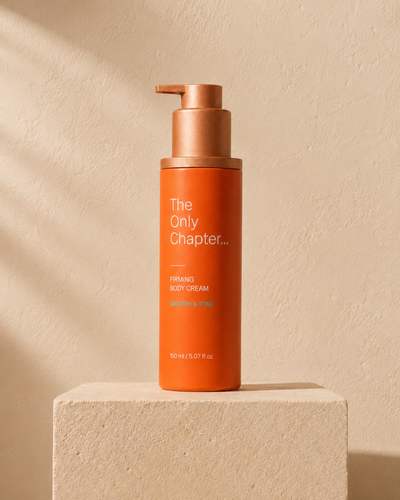
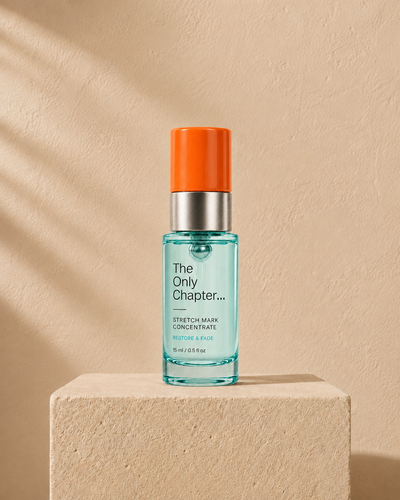
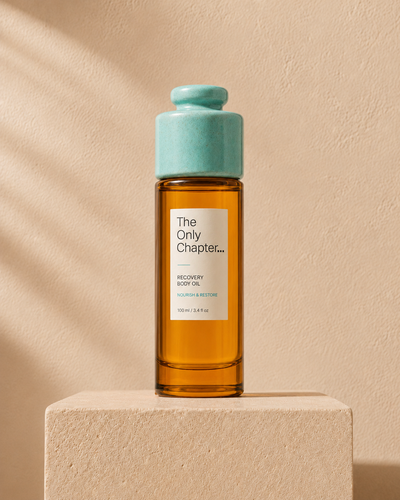
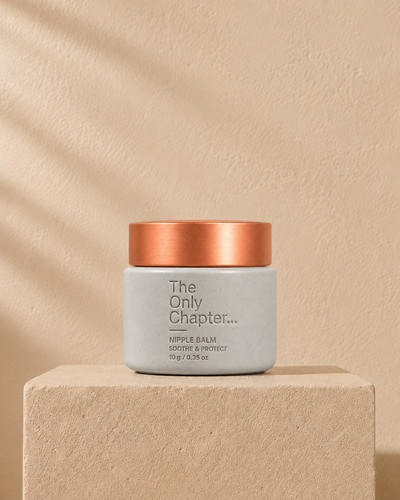
Apply nipple balm to clean, dry skin after each feed: warm a small amount between your fingertips, smooth it gently onto the nipple and areola, and let it absorb. A lanolin-free, food-grade balm doesn't need to be wiped off before the next feed — making it suitable for use 8 to 12 times a day in the early weeks of breastfeeding without disrupting your routine.
When to start using a nipple balm
Most lactation consultants recommend starting from the first feed. Cracking, soreness and skin damage tend to appear in the first 5–10 days of breastfeeding, often before mothers realise they are happening. Pre-emptive application is more effective than reactive treatment.
If you are pumping (exclusively or in addition to feeding), apply after pumping sessions — pump suction can be harsher on nipple skin than a well-latched baby.
If you've already developed cracks, bleeding, or scabbing, apply after each feed and consider an overnight session in a breast shell to keep the area protected and undisturbed.
The application: step by step
- Wash your hands before handling the balm.
- Pat the nipple and areola dry with a clean cloth after the feed — moisture trapped under the balm is what promotes thrush and irritation.
- Take a pea-sized amount of balm onto your fingertip.
- Warm it between fingertips for two seconds — body temperature softens the texture and makes application gentler.
- Smooth onto the nipple and surrounding areola with light pressure. Do not rub.
- Let it absorb for 30 seconds before putting on a bra or breast pad.
That is the entire application. The whole thing takes under a minute.
Do you need to wipe nipple balm off before the next feed?
If the balm is genuinely lanolin-free and food-grade safe — meaning every ingredient is safe for the baby to ingest in trace amounts — the answer is no. Wiping is unnecessary and counterproductive: it removes the protective layer and creates friction at the moment the next feed begins.
If the balm contains lanolin: opinion is mixed. Most lanolin formulations are considered safe for nursing, but a meaningful minority of babies and mothers develop sensitivity. Combined with the practical disruption of wiping at every feed, this is one of the reasons many lactation consultants now prefer lanolin-free options.
Our lanolin-free Nipple Balm uses six food-grade ingredients — no fragrance, no preservatives, no ingredients that need to be removed before the next feed.
How much to apply, and how often
A pea-sized amount per side, after each feed, is enough. Heavy application doesn't accelerate healing and increases the chance of moisture being trapped against the skin.
In the early weeks, "after each feed" means 8–12 applications a day. This is normal. A 10g jar typically lasts 4–8 weeks of intensive use.
If you go more than 4 hours between feeds (later in the journey, or because of pumping schedules), a single application after each feed remains the right cadence.
When nipple balm isn't enough
Cracked nipples that persist beyond 7–10 days, deep pain during the entire feed, white or red patches, or shooting pain into the breast can indicate other issues:
- Shallow latch — the most common root cause. A lactation consultant or NHS infant feeding team can assess this in one visit.
- Tongue or lip tie — if your baby cannot create the right vacuum, no balm will fix the underlying mechanical problem.
- Thrush — bilateral burning pain after feeds, often with white patches in baby's mouth. Needs antifungal treatment for both mother and baby.
- Vasospasm (Raynaud's of the nipple) — colour change after feeds, often white or purple, sharp pain. Treatable.
If any of these apply, talk to your GP or health visitor. Nipple care alone won't resolve them.
FAQ on nipple balm application
Can I use nipple balm if I'm not breastfeeding?
Yes. The same formula works on cracked lips, dry cuticles and small skin irritations elsewhere. The "nipple balm" specification just means it has been tested to a higher safety bar.
Can I apply nipple balm to a hand-expressing breast pump flange?
Yes — a thin layer on the flange reduces friction and makes pumping noticeably less painful. Particularly useful in the first week of exclusive pumping.
Does nipple balm interfere with milk flow?
No. Topical application of any safe balm does not block ducts. Clogged ducts are an internal issue and require warm compresses, frequent feeding, and sometimes lecithin — not changes to topical care.
How long should I keep using nipple balm?
For as long as you are breastfeeding or pumping, particularly after the early-weeks adjustment phase. Many mothers find they need it less after 4–6 weeks but continue using it as needed.
Can I use Vaseline or coconut oil instead?
You can, but neither is formulated for this exact use. Vaseline traps moisture and is petroleum-derived; coconut oil can disturb the skin's microbiome over weeks of use. A purpose-formulated lanolin-free balm is the cleaner option.
Can the baby be allergic to nipple balm?
Highly unusual with a six-ingredient food-grade formulation. If the baby develops a rash around the mouth or refuses the breast after starting a new balm, stop and reassess.
Is it normal for nipple balm to taste of anything?
A clean, food-grade balm should be virtually flavourless. If you taste fragrance or perfume, the formula contains added scent ingredients and is not the right choice for nursing.
For the complete framework of postpartum skincare during the breastfeeding period, see our postpartum skincare guide.