The fourth trimester is the first three months after giving birth — the often-overlooked recovery phase that follows the three trimesters of pregnancy. It is named for the simple reason that the body, the hormones and the relationship with the baby continue to change as profoundly in those twelve weeks as in any earlier stage. Coined by paediatrician Dr Harvey Karp in 2002, the term has become shorthand for treating the postpartum period as a clinical recovery, not a return to normal.
Why the fourth trimester is a real biological stage
Pregnancy ends with delivery. Recovery does not. In the first 12 weeks after birth:
- Hormones reset: estrogen and progesterone fall by ~90% in the first 24 hours; prolactin rises to support lactation; oxytocin surges in response to feeding and contact.
- The uterus involutes: it returns from about a kilogram to its pre-pregnancy size of roughly 60g, contracting visibly for weeks (the "afterpains").
- The pelvic floor reorganises: ligaments laxed by relaxin slowly tighten again.
- The skin barrier rebuilds: stretched dermis remodels; pigmentation fades; the elasticity environment changes.
- Breast tissue restructures: alveoli enlarge to make milk; nipples adapt to feeding or pumping.
- The brain rewires: a growing body of neuroscience shows that the maternal brain undergoes measurable grey-matter changes during this period.
This is not a "bounce-back". It is a controlled, sequenced biological recovery that takes 12 weeks at minimum and often much longer.
What the baby is doing in the fourth trimester
Dr Karp's original framing focused on the newborn. The first three months are when the baby is most fragile, most dependent on physical contact, and most regulated by the mother's body — temperature, smell, heartbeat. Cluster feeding, frequent waking, and unpredictable rhythms are normal during this window. The newborn nervous system isn't yet capable of self-soothing or stable sleep.
The implication: you cannot "schedule" a newborn out of the fourth trimester. The expectations placed on most postpartum mothers in modern Western societies — back to host, back to fit clothing, back to social life — are misaligned with what the baby's biology actually requires.
The classic four pillars of fourth-trimester recovery
1. Healing
Whatever the birth — vaginal, c-section, induced, instrumental — there is tissue trauma. Perineum tears, episiotomies, c-section incisions, haemorrhoids and pelvic-floor strain all heal on a timeline. Sleep, nutrition and time matter more than products.
2. Hormones
The hormonal cliff at delivery is one of the most rapid endocrine shifts in adult life. It explains the "baby blues" of week one, the heightened emotional sensitivity, the night sweats, and the visible postpartum hair loss that peaks around month three.
3. Feeding
Whether breastfeeding, mixed feeding, formula feeding or exclusively pumping, the early weeks involve a steep learning curve and physical adjustment. Lanolin-free nipple care, hydration, and access to a lactation consultant are all part of this pillar.
4. Identity
The cognitive and social shift into being a mother is gradual and not always linear. Postnatal anxiety and postnatal depression affect up to 1 in 5 mothers in the UK. The fourth trimester is when these often emerge and when professional support — GP, health visitor, perinatal mental health team — is most useful.
How postpartum skincare fits the fourth trimester
The fourth trimester is the window when skin most needs support, not active intervention. The barrier is fragile. Hormonal sensitivity is high. Many of the actives that worked before pregnancy (retinol, strong acids) are off-limits while breastfeeding. The right approach: low-friction, evidence-based, breastfeeding-safe formulations.
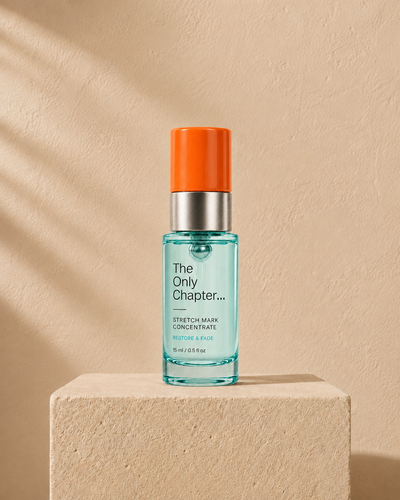
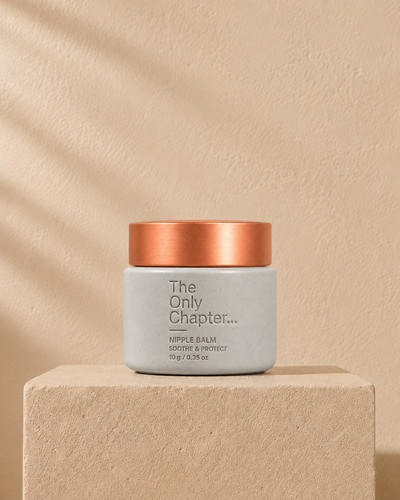
Our complete framework lives in the postpartum skincare guide. The short version: a barrier cream, an oil for the driest areas, and a nipple balm if you're breastfeeding. Five minutes total.
For mothers who want something to read or hold during the fourth trimester — a structured companion through the twelve weeks — we publish The Fourth Trimester Reset: a 12-chapter digital guide written by mothers and reviewed by clinicians.
FAQ on the fourth trimester
When does the fourth trimester start and end?
It starts at birth and conventionally ends at 12 weeks postpartum, though many clinicians extend it to 6 months because hormonal and physical recovery continues well past 3 months.
Is the fourth trimester a medical term?
It is not formally diagnostic, but the American College of Obstetricians and Gynecologists (ACOG) and the UK NHS both use the framing in patient education and postnatal-care guidelines.
What's the most overlooked aspect of fourth-trimester recovery?
Mental health. Postnatal depression and anxiety affect roughly 1 in 5 mothers; most cases first emerge during the fourth trimester. Talk to your GP or health visitor early if you have any concern.
Can I exercise during the fourth trimester?
Gentle walking from the first week is generally encouraged for vaginal births; longer with c-section. Return to running and strength work is normally cleared at the 6–8 week postnatal check, ideally with a pelvic-health physiotherapist if available.
Why do my skin and hair feel different in the fourth trimester?
The estrogen withdrawal is the main cause. Skin becomes drier and more sensitive; hair enters telogen (shedding) phase around month 3. Both stabilise by month 6 in most women.
How is the fourth trimester different after a second baby?
The physical recovery is often faster; the hormonal and emotional adjustments may feel different because of the added work of parenting an older child simultaneously. The biological pillars remain the same.
For the complete clinical guide to skincare during this period, see our postpartum skincare guide.